Heathergreen 2.0 Font: A Fresh Take on Minimalistic Elegance
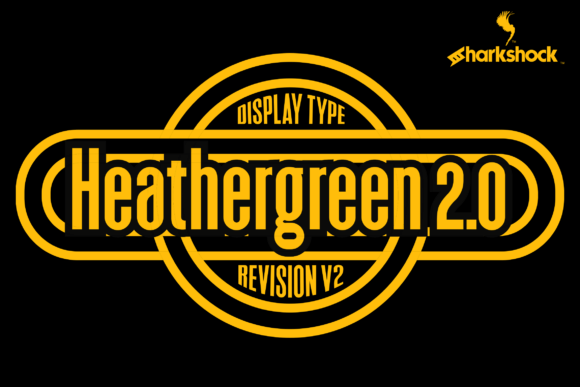
Heathergreen 2.0 Font is a meticulously crafted, tightly spaced display sans that has recently undergone a significant facelift. As a close relative of the Deutschlander family, this updated version was designed to meet the demands of modern design, where space is often at a premium. The redesign involved a complete reimagining of many letters, with the overall height reduced by about 20%, and a complete overhaul of the spacing for a smoother, more fluid appearance.
The Evolution of Heathergreen 2.0
Originally, Heathergreen was known for its clean, minimalistic look and high legibility. The 2.0 update builds on these strengths, making it even more versatile and appealing. The reduction in height and tighter spacing make it an ideal choice for situations where text needs to fit into limited spaces, such as movie credits, book titles, or posters. This adaptability is crucial in today's fast-paced, visually driven world, where every inch of space counts.
Why Designers and Creators Are Paying Attention
Designers and creators are increasingly turning to Heathergreen 2.0 for its unique blend of form and function. The font's semi-condensed nature and clean lines offer a sophisticated, yet approachable aesthetic. This makes it particularly appealing for projects that require a balance between elegance and readability, such as high-end branding, editorial design, and digital interfaces.
Meeting Changing Needs and Preferences
The evolution of Heathergreen 2.0 reflects broader industry trends towards minimalism and functionality. In a world where attention spans are short, and visual clutter is abundant, a font that can convey information clearly and concisely is invaluable. The updated design addresses these needs by providing a more compact, yet highly legible option. This is especially relevant in the digital realm, where screen real estate is at a premium, and user experience is paramount.
Practical Applications and Use Cases
One of the key strengths of Heathergreen 2.0 is its versatility. Here are some practical examples of how it can be used:
- Movie Credits: The tight spacing and reduced height make it perfect for long lists of names and roles, ensuring that all information is visible without overwhelming the viewer.
- Book Titles and Cover Designs: Its clean, minimalistic style adds a touch of sophistication to book covers, making them stand out on shelves and in digital marketplaces.
- Posters and Advertisements: The font's ability to fit more text into a smaller space is ideal for creating impactful, visually engaging posters and ads that grab attention without sacrificing clarity.
Broader Developments and Trends
The popularity of Heathergreen 2.0 is part of a larger trend towards more functional and user-friendly design. As technology continues to advance, and our interactions with digital content become more frequent, the need for fonts that can enhance readability and engagement becomes even more critical. Heathergreen 2.0 meets this demand by offering a solution that is both aesthetically pleasing and highly functional.
Support for Multiple Languages and Characters
Beyond its design, Heathergreen 2.0 is equipped with a comprehensive character set, including Basic and Extended Latin, diacritics, Cyrillic, Greek, punctuation, alternates, fractions, ligatures, and kerning. This extensive support makes it a valuable tool for designers working on multilingual projects, ensuring that the font can be used across a wide range of languages and contexts.
Conclusion
In conclusion, Heathergreen 2.0 Font represents a significant step forward in the world of typography. Its clean, minimalistic design, combined with its practical features, makes it a standout choice for professionals, creators, and enthusiasts alike. Whether you're designing a movie poster, a book cover, or a digital interface, Heathergreen 2.0 offers a solution that is both elegant and highly functional. As the design landscape continues to evolve, Heathergreen 2.0 stands out as a font that is not just keeping up with the times but setting new standards for what is possible in modern typography.